Problem: You Do Not Know If It Is Safe to Step Into the Water
Standing water in a Centennial basement can be electrified, contaminated, or both. If your furnace, water heater, washer, or outlets are at or below the waterline, the entire pool can carry current. Sewage backups and groundwater that traveled through soil are classified as Category 3 black water under IICRC S500 guidelines, meaning they contain bacteria you do not want on your skin.
Solution: Cut Power Before Anything Else
Go to your main breaker panel, which is usually on the main floor or in a dry section of the basement you can reach without crossing water. Shut off the main breaker, then individual basement circuits. If the panel itself is in the wet area, do not approach it. Call your utility and an electrician. Once power is off, look at the water. If it is clear and came from a clean source like a broken supply line, you can wade in with rubber boots. If it is brown, smells like sewage, or backed up from a floor drain, stay out and call a professional. Our team explains the differences in detail on our category 1, 2, and 3 water damage breakdown.
Before stepping in, also put on protective gear. Rubber boots that rise above the waterline, nitrile gloves, and safety glasses are the minimum. If the water touches gas appliances, shut off the gas valve too. A water heater pilot light that gets submerged can create a slow leak that you will not smell until later. When in doubt about gas, leave the house and call your provider from outside.
Problem: You Are Worried This Will Happen Again
One flood is a warning. Centennial homeowners who flood once often flood again within a few years because the underlying cause was never addressed.
Solution: Use Moisture Meters and Set a Real Drying Plan
Professional restoration uses pin and pinless moisture meters, plus thermal imaging cameras, to map every wet area. Dry standard for Centennial basements typically falls between 12 and 16 percent moisture content for wood framing and under 1 percent for concrete slab. Reaching that requires:
- Removing wet insulation and any drywall that wicked above the waterline, usually 12 to 24 inches up.
- Pulling baseboards and drilling weep holes if cavities are wet but the wall is salvageable.
- Running commercial air movers and LGR dehumidifiers continuously for three to five days.
- Monitoring moisture daily until target readings are met.
Solution: Treat and Monitor
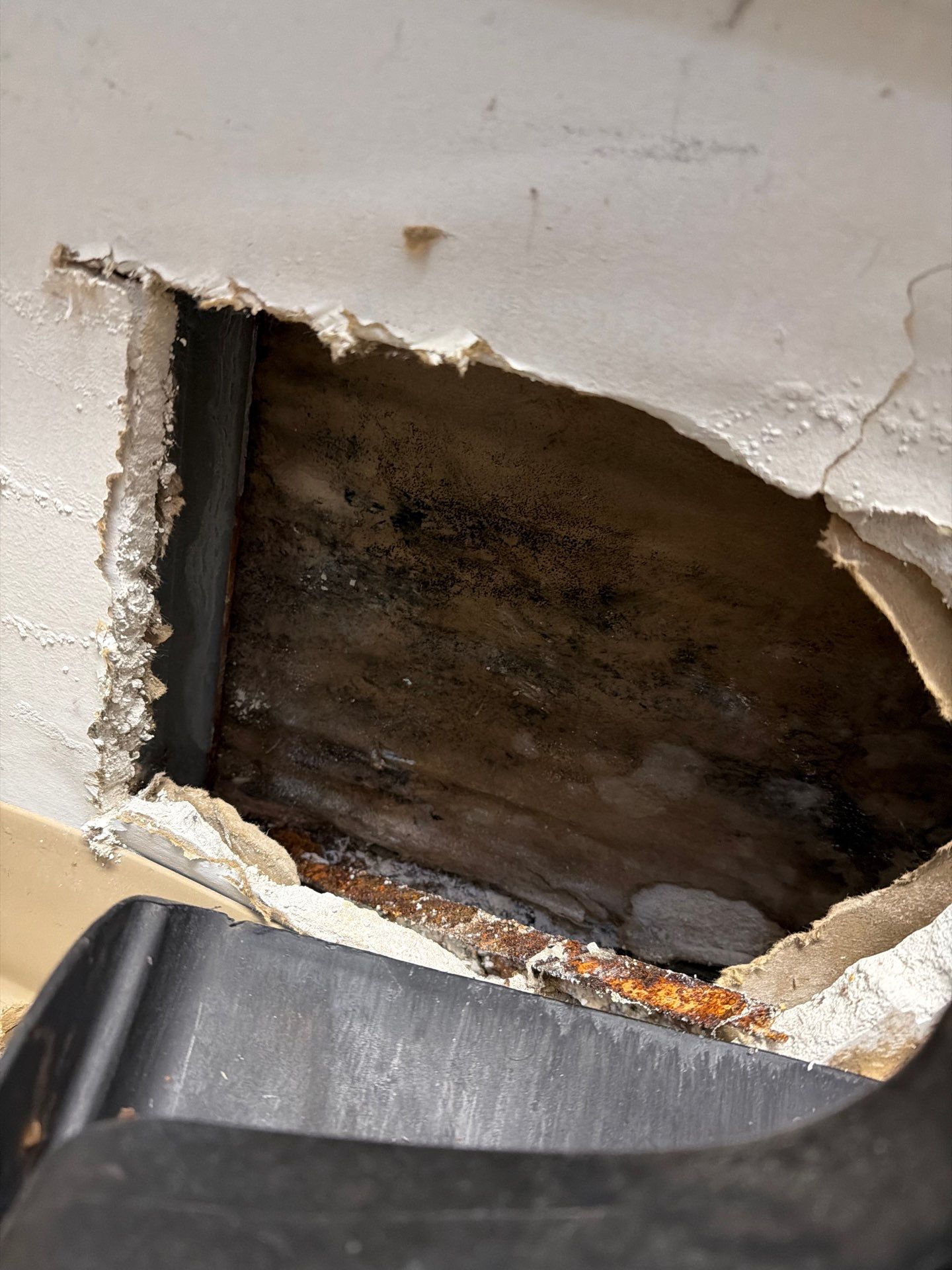
After extraction, apply an EPA registered antimicrobial to every affected surface. Keep the space below 50 percent relative humidity throughout drying. If visible growth has already appeared, containment and removal under controlled conditions becomes necessary to keep spores from spreading through your HVAC.
Problem: Mold Is Already Starting to Grow
The 48 hour rule is real. Spores that exist in every Centennial home start colonizing wet drywall, wood, and insulation within two days.
Problem: The Water Keeps Coming In
Removing water while the source is still active wastes every minute you spend. Centennial basements flood from four common sources: a failed sump pump during heavy rain, a burst supply line or water heater, a sewer backup through the floor drain, and groundwater seeping through cracks or window wells after a storm.
Solution: Build Layered Protection Before the Next Storm
Install a battery backup sump pump or a water powered backup so a power outage during a storm does not leave the pit unprotected. Add a sewer backflow valve if your home sits below street level. Extend downspouts at least six feet from the foundation, regrade soil that slopes toward the house, and seal foundation cracks from the exterior. Centennial Water Restoration can inspect your basement after drying is complete and recommend the specific upgrades that match your home and risk profile.
Solution: Identify and Stop the Source
Walk through this short checklist in order:
- Shut off the main water valve to the house. It is usually near the front foundation wall or where the water line enters from the meter.
- Check the sump pit. If the pump is silent and the pit is overflowing, the pump has failed. We cover next steps on our sump pump failure page.
- Look at the floor drain. If water is rising from it instead of draining away, you have a sewer line problem and the city main or your lateral is involved.
- Inspect window wells, cracks in the foundation, and the joint where the wall meets the floor.
Once you know the source, you know who to call. A burst pipe needs a plumber. A sewer backup needs a restoration company experienced with Category 3 work. Groundwater needs extraction and exterior waterproofing.
Problem: Standing Water Is Destroying Materials by the Hour
Drywall wicks water up roughly one inch per hour. Carpet pad holds three to four times its weight in water. OSB subfloor swells and loses structural integrity after 24 hours of saturation. Stored cardboard boxes collapse, and any porous item touching the floor is at risk.
Problem: You Cannot See How Wet the Walls and Floors Really Are
The water you can see is only a fraction of the water in your basement. Drywall behind baseboards, insulation in stud cavities, the subfloor beneath your finished flooring, and the wood framing all hold moisture you cannot detect by touch.
Solution: Document, Then Extract Aggressively
Before you move anything, take photos and short videos of every wall, every item, and the waterline. Your homeowners insurance adjuster will want this evidence, and most Centennial policies do cover sudden and accidental water events even when they exclude flood. Then start moving anything salvageable to a dry floor above the basement. After that, the goal is extraction. A wet vac handles small amounts. For more than half an inch covering a large area, you need truck-mounted extraction equipment that pulls hundreds of gallons per hour. Centennial Water Restoration arrives with commercial extractors, antimicrobial treatment, and moisture meters on the first visit, which is what makes our basement flooding response faster than a homeowner working alone.
While documenting, write down a simple inventory of damaged items with approximate purchase dates and replacement values. Photos of serial numbers on electronics, appliance model plates, and receipts you can pull from email accounts will speed up your claim significantly. Adjusters approve faster when the paperwork is already organized for them.