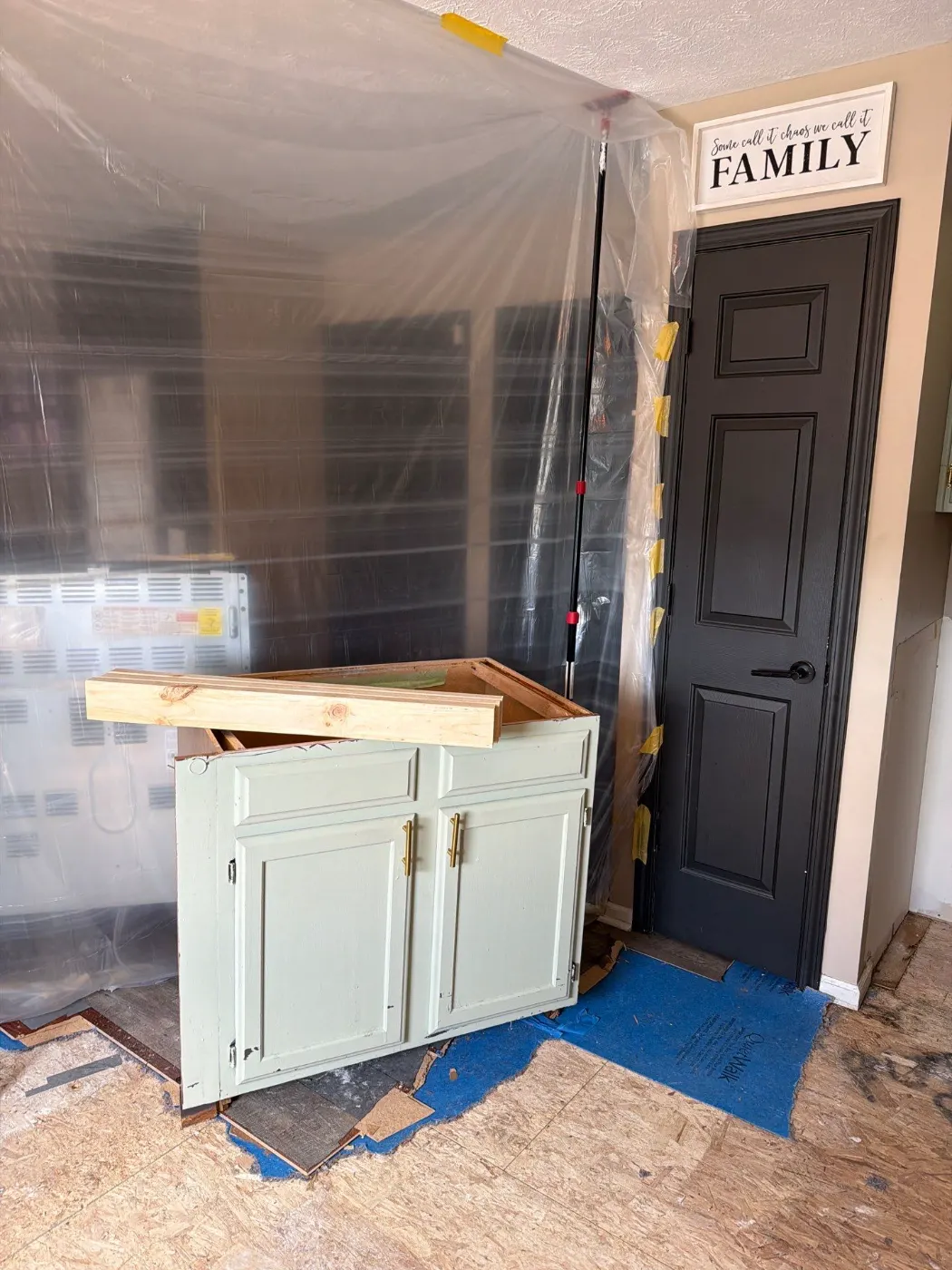
Commercial Sewage Cleanup in Centennial, IN
Property managers in Centennial get daily updates and a documented sewage cleanup from the first walkthrough to the final readings.
Centennial Water Restoration delivers Commercial Sewage Cleanup across Centennial and surrounding areas with certified crews available 24/7 and every step documented for insurance. Call (765) 703-7292.
- Service: Commercial Sewage Cleanup for Centennial homeowners
- Service area: Centennial, IN and surrounding areas
- Response time: Around the clock dispatch; Centennial emergencies move to the front of the line
- Licensed and insured (License #RC21100059)
- Serving Centennial, IN since 2018
Commercial Sewage Backup Cleanup in Centennial
When sewage backs up in a commercial building in Centennial, we'll contain the area so the rest of the building can keep working.
Sewer System Notes
Heavy rain can overload the sewer lines serving Centennial and push sewage into lower levels. On the first walkthrough, we'll check where your building ties into the public sewer and whether it has a backflow valve.
We handle commercial sewage jobs anywhere in Centennial, including the area near US Route 41 corridor through Millcreek Township and the Kingman-Millcreek Public Library. We also handle commercial sewage backups in Kingman, Covington, Attica and Fountain County.
Commercial Sewage Cleanup for Centennial Businesses
A mop sink that backs up overnight in a janitorial closet sends water under the door and into the corridor carpet before anyone arrives in the morning. Centennial Water Restoration treats that as a Category 3 loss in Centennial, starting with the closet floor drain and tracing the path the water took through the corridor. The scope covers both areas, each documented on its own.
What sits under the floor covering gets checked, because carpet tile and sheet vinyl can both hide wet adhesive and a damp slab. The crew lifts sections along the wet edge and reads the slab and base, then writes down what it finds before deciding how far removal goes in your Centennial space.
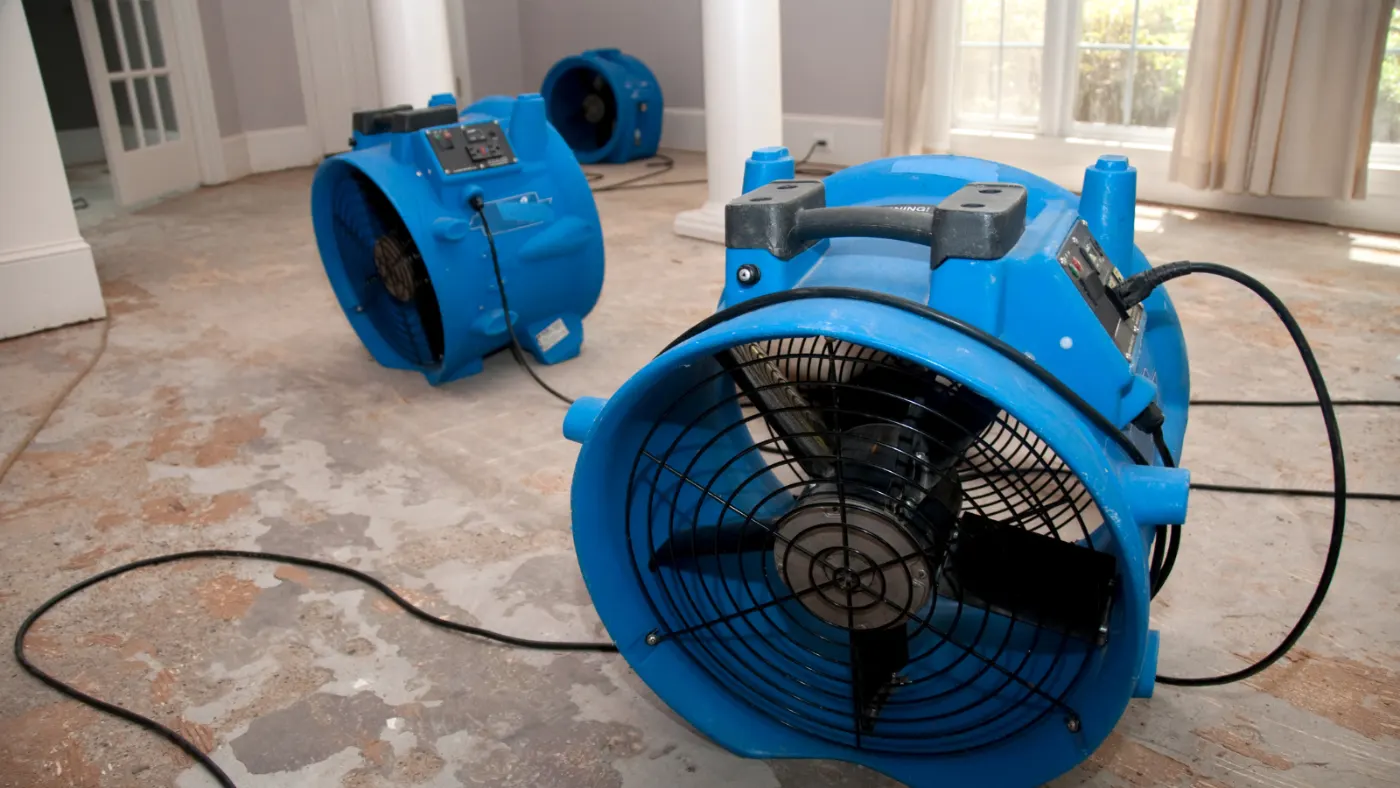
Drying on every Centennial Water Restoration job runs to readings. Air movers go in at calculated placement around the wet zone, dehumidifiers get sized to the affected cubic footage and the amount of wet material, and moisture content gets logged daily by location and material against unaffected baseline readings taken elsewhere in the same building. Equipment moves as the wet zones shift, and the phase ends when the numbers match the baseline.
Sewer backup coverage on a commercial policy is often an endorsement with its own limit, which can be lower than the building limit. Centennial Water Restoration can't tell you what your policy covers, so read the endorsement or ask your agent before the scope grows. What the crew does is document the loss completely, so you have one record to work from.
You'll want a record of this loss long after the space is back in service. Centennial Water Restoration dispatches to Centennial commercial sewage emergencies and documents the whole job: source, scope, treatment, readings, and clearance verification. Call and we'll get a crew and a file started.
Signs You Need Commercial Sewage Cleanup
If you notice any of these in your Centennial building, schedule a free inspection before the issue worsens.
Grease standing in an interceptor above the baffle, or visible at the access lid
Water flowing from under a janitorial closet door into the corridor overnight
An ejector pit high level alarm sounding, or a pit you can see standing full
Dish machine discharge overflowing the floor sink beside it at the end of each cycle
Prep sink backing up each time the dish machine drains
Kitchen drains running slow again soon after the grease interceptor was pumped
Water rising out of a floor drain when a kitchen line discharges
Greasy water pooling around the floor sink under a three compartment sink
Discolored water backing up into a mop sink when nothing is being poured into it
Standing water in a elevator pit with an odor the building staff can smell
How Centennial Water Restoration Handles Commercial Sewage Cleanup
We follow these steps in order on every Centennial job.
Antimicrobial Treatment
An EPA registered antimicrobial goes on at label dilution across the cleaned surfaces and the exposed structure, held wet for the contact time the label specifies. The product, the dilution, and the dwell time get written into the job file.
Air Cleaning and Odor Check
HEPA air scrubbers run until the last surface is cleaned, then get switched off for an odor walkthrough of the closed space. Lingering odor sends the crew back to the material still holding it.
Clearance Verification
Final moisture readings on every previously wet material get compared against unaffected reference readings in the same structure, the cleaned surfaces get inspected, and the condition is photographed. Equipment comes out after the verification is recorded in the file.
Repeat Prevention Review
After the space is released, the lead reviews the plumbing path with your maintenance staff and notes cleanout access and the interceptor service schedule. Those notes, with the location of any backwater valve, go to your plumber to review for line maintenance.
Reconstruction Scoping
Once the space is dry and verified, the rebuild gets scoped on its own: drywall, insulation, flooring, base, paint, and casework priced against what came out. Centennial Water Restoration handles the rebuild, and you approve that scope separately.
Commercial Sewage Cleanup in Centennial
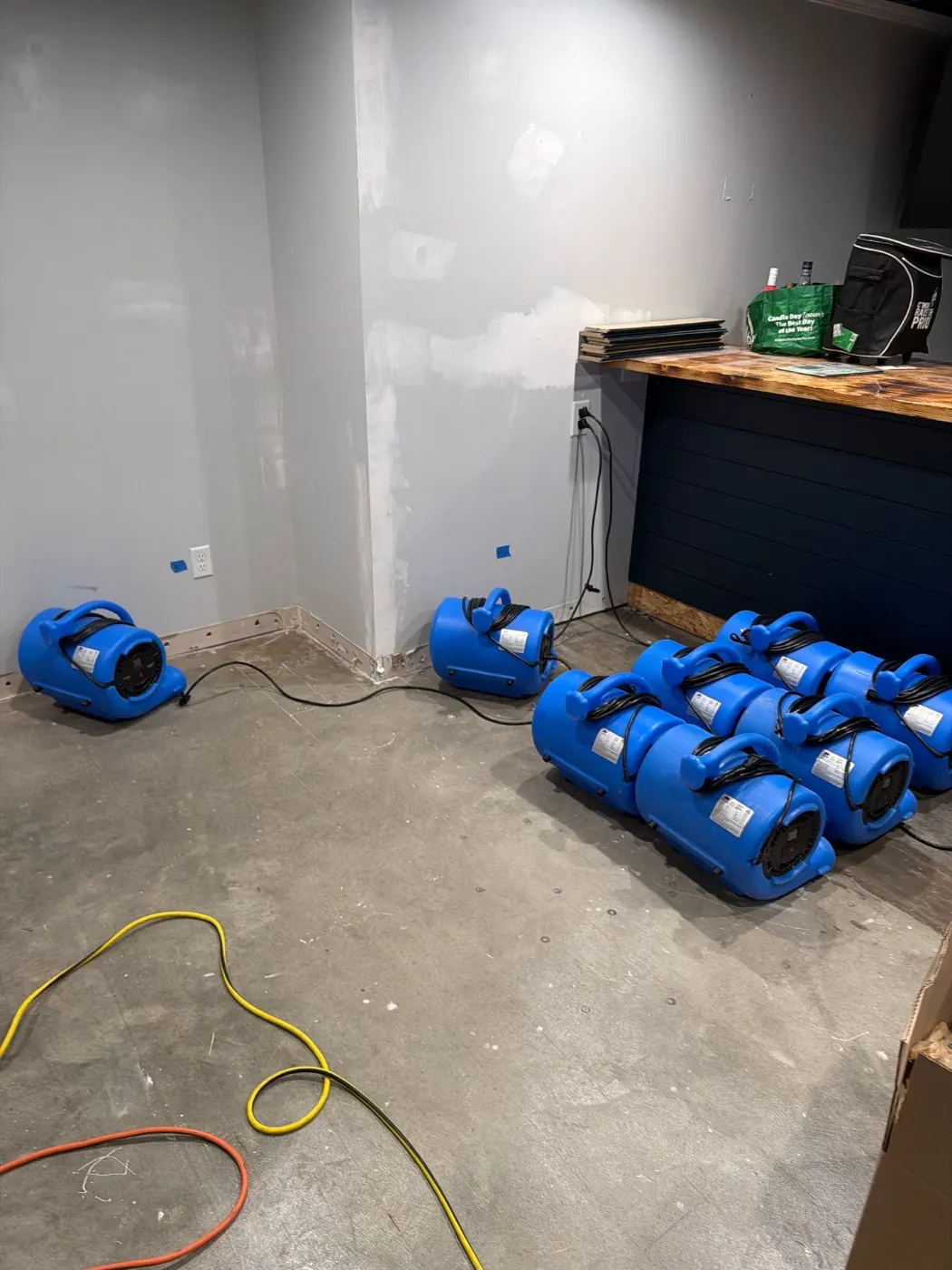
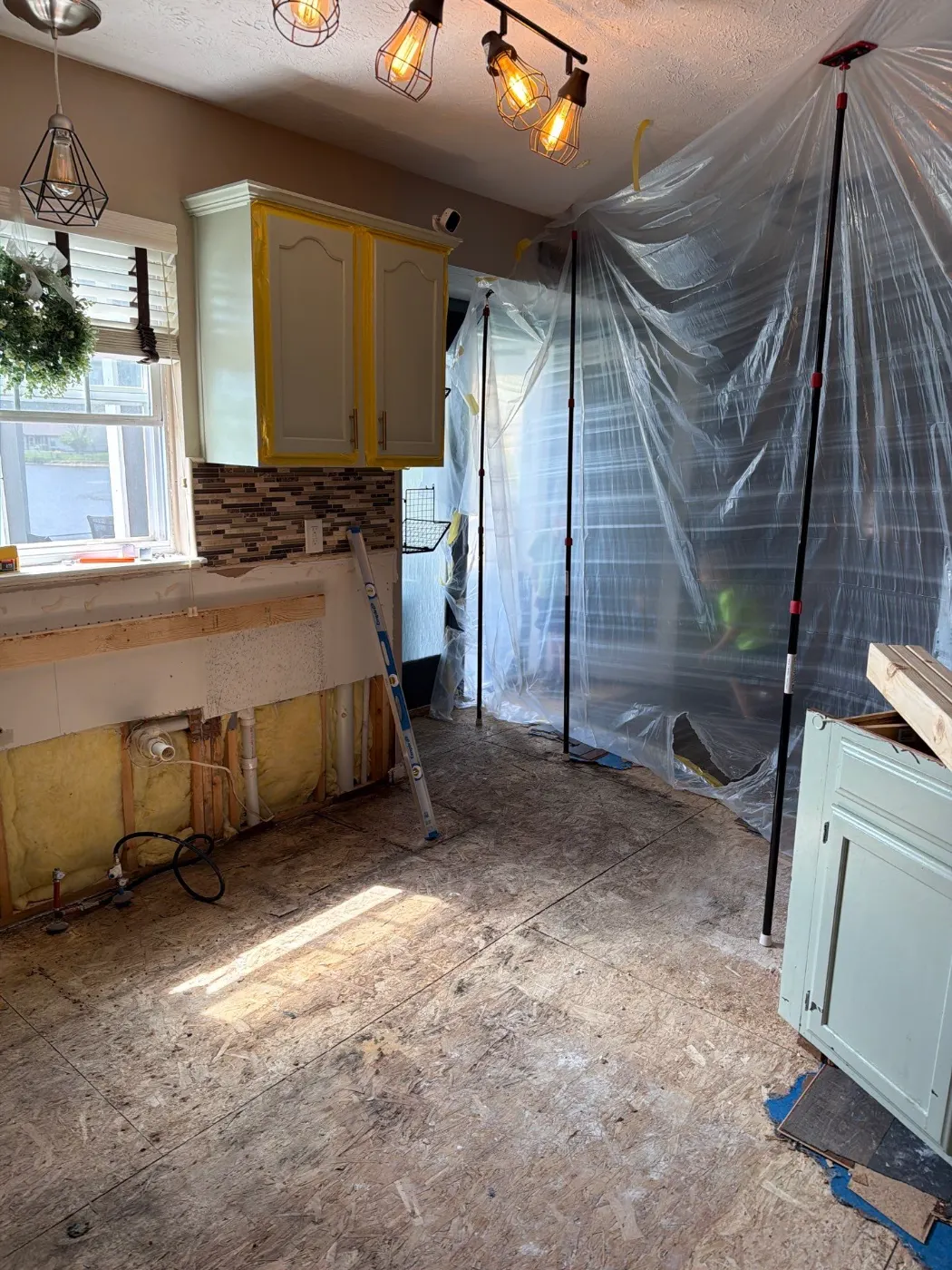
Photographs from real commercial sewage cleanup jobs completed by our crew in Centennial and surrounding areas.
Commercial Sewage Cleanup FAQ
Questions Centennial property managers ask us about commercial sewage cleanup.
Guidance and Standards for Commercial Sewage Cleanup
- The ANSI/IICRC S500 is the published standard for professional water damage restoration. The current edition is the Fifth Edition, 2021. IICRC S500 Standard
Other Restoration Services in Centennial
Centennial Water Restoration handles the full scope of restoration work. Explore our other services below.
Water Damage Restoration in Centennial
24/7 emergency response. IICRC certified water restoration from extraction to full dry out.
Learn more →Basement Flooding in Centennial
Basement water emergencies handled fast. Extraction, drying, mold prevention.
Learn more →Sewage Cleanup in Centennial
Category 3 biohazard cleanup. Full containment, decontamination, structural restoration.
Learn more →Request Commercial Sewage Cleanup
Reach Us Directly
Our team is available 24/7 for emergencies and ready to schedule inspections during business hours.
Need Immediate Help?
For active water or mold emergencies, call us directly. We are available 24/7.