Sewage Cleanup in Centennial, IN
Basement backups, toilet overflows and failed ejector pumps cleaned up properly in Centennial, under containment and HEPA filtration
Centennial Water Restoration is the Centennial call for Sewage Cleanup: emergency crews around the clock, moisture readings instead of guesswork, and insurance files built properly. Call (765) 703-7292.
- Service: Sewage Cleanup for Centennial homeowners
- Service area: Centennial, IN and surrounding areas
- Response time: Rapid emergency dispatch for Centennial inquiries; crews available 24/7
- Licensed and insured (License #RC21100059)
- Serving Centennial, IN since 2018
Sewage Backup Cleanup in Centennial
We handle sewage backup cleanup across Centennial at any hour, and we'll bring the containment and protective gear sewage calls for.
When Backups Happen
Heavy rain can overload the sewer lines here and push sewage back into basements. Some homes around Centennial are on septic systems, and a failing system can back up into the house too.
We work in every corner of Centennial, including the blocks around US Route 41 corridor through Millcreek Township and Centennial Cemetery. We also clean up sewage backups in Fountain County, Steam Corner, Yeddo and Kingman.
Expert Sewage Cleanup for Centennial Homeowners
A failed sewage ejector pump sends everything from the basement bathroom back onto the basement floor. It usually happens while nobody's home to hear the alarm. A crew dispatches to Centennial within 2 hours. It pulls out the waste with solids handling equipment and sets containment before any air moves, because moving air across open sewage carries it into rooms the water never reached.
Sewage cleanup in Centennial follows the IICRC S500 water damage standard, and the IICRC S520 applies if the backup sat long enough to grow mold. Centennial Water Restoration records the antimicrobial product, how long it stayed on the surface and the daily moisture readings, so the work in your home is written down step by step. The company's water restoration manager is IICRC certified.
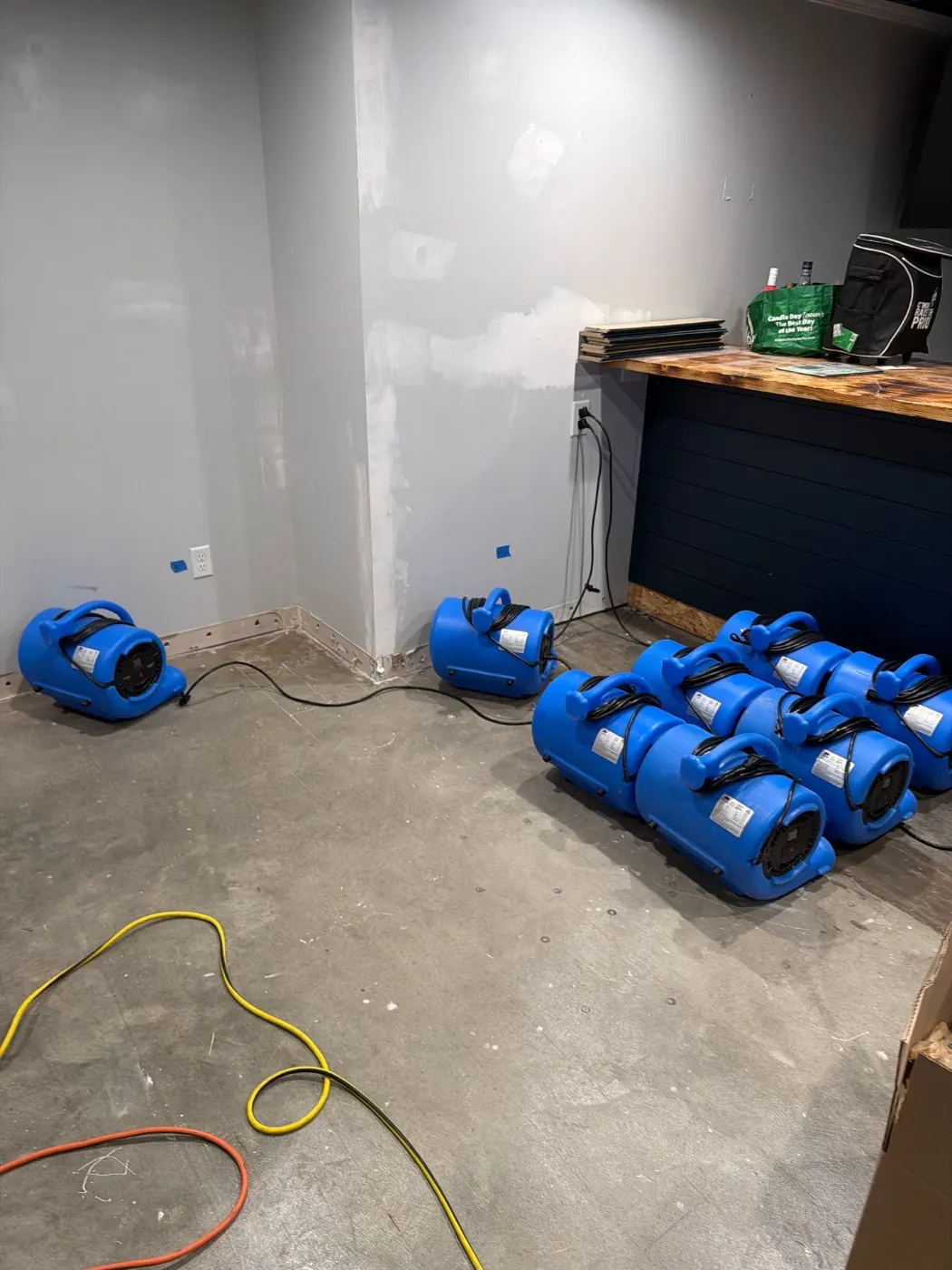
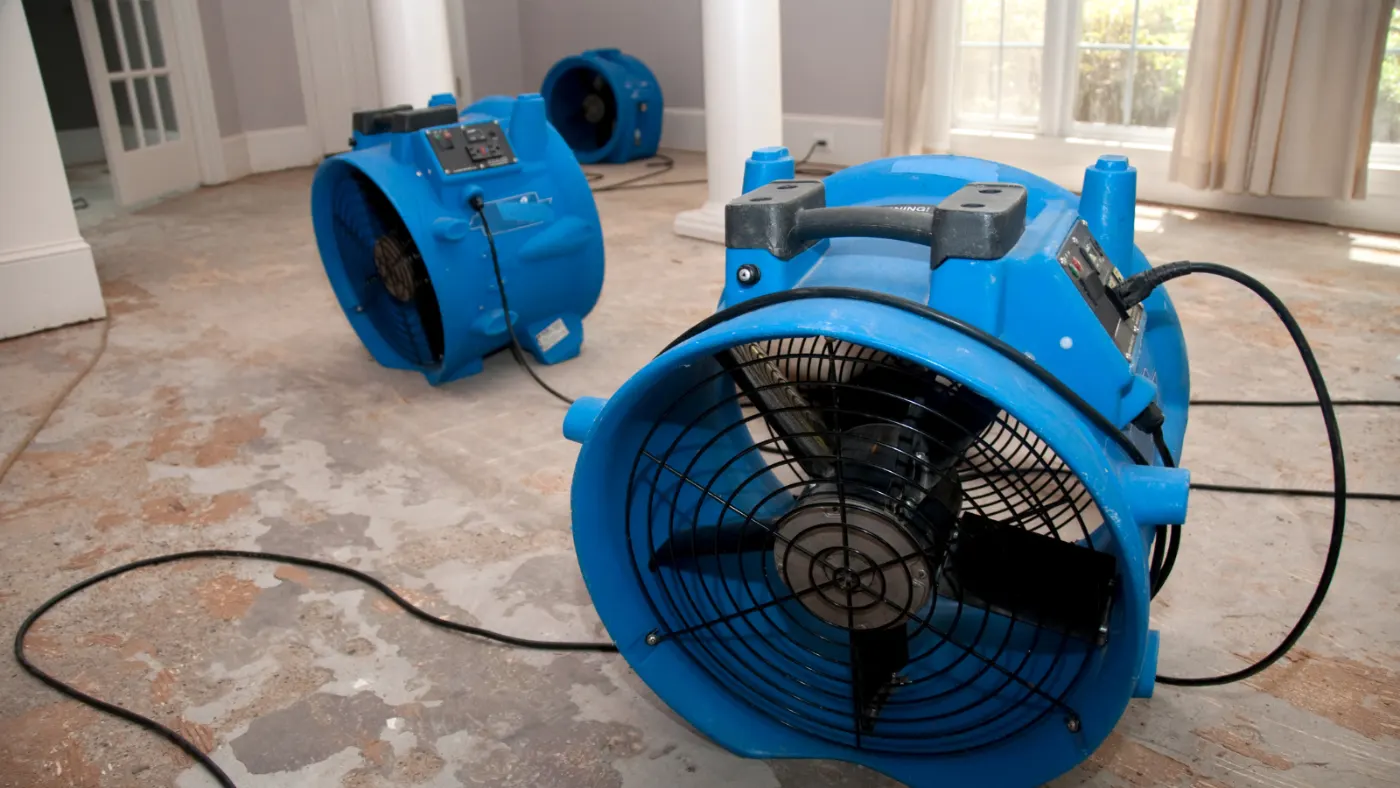
Power for the drying equipment gets planned before the first dehumidifier goes on. Cords run from outlets that don't serve the wet area and stay up off the floor, and the load gets spread so a breaker doesn't trip overnight. Centennial Water Restoration walks you through the setup in your Centennial home so you know which outlets are in use.
Knowing where the blockage was can matter later, so the crew records it. Centennial Water Restoration photographs the cleanout, the source, the water line on the walls and the affected square footage in your Centennial home, and notes what the plumber found. That package is yours to share with your insurance company or anyone else who needs it.
A sewage backup gets more expensive by the hour because the removal line keeps moving outward. Call Centennial Water Restoration and a crew dispatches to your Centennial address within 2 hours with the equipment to get the contamination out and the photo report you'll keep.
Signs You Need Sewage Cleanup
If you notice any of these in your Centennial home, schedule a free inspection before the issue worsens.
Greasy black film left on the floor after standing water goes back down the drain
Carpet in the finished basement wet underfoot with a sour smell coming off it
Dark water coming up the basement floor drain during a heavy storm
Toilet water rising in the bowl when someone runs the kitchen sink
Small flies or gnats collecting around a basement floor drain or utility sink
Baseboard swelling and paint blistering in a band a few inches above the slab
Dark gritty water standing around the floor drain with paper debris floating in it
An extension cord or power strip sitting in standing water near the basement drain
A second backup within weeks of a plumber clearing roots from the line
Drywall that stays cold and damp to the touch days after a drain backup was cleared
How Centennial Water Restoration Handles Sewage Cleanup
We follow these steps in order on every Centennial job.
Sewage Assessment
Every affected room gets walked with thermal imaging and penetrating moisture meters. The source gets photographed, and the affected square footage gets mapped and logged before any material comes out of the house.
Protective Gear and Zones
The crew suits up at the edge of the work area with disposable coveralls, gloves, boots and respirators, and marks the line between the work zone and the clean side. Gear comes off at that line and goes into bags.
Solids Removal
Paper and solid debris get scooped out by hand into heavy bags before any pump touches the water. Solids can clog the hoses, so taking them out first keeps the extraction in Centennial cleaner.
Contents Sorting
Belongings in the room get sorted before the removal work starts. Anything the water reached is photographed and listed before it goes into bags, and hard goods that can be cleaned are set aside for separate cleaning.
Porous Material Removal
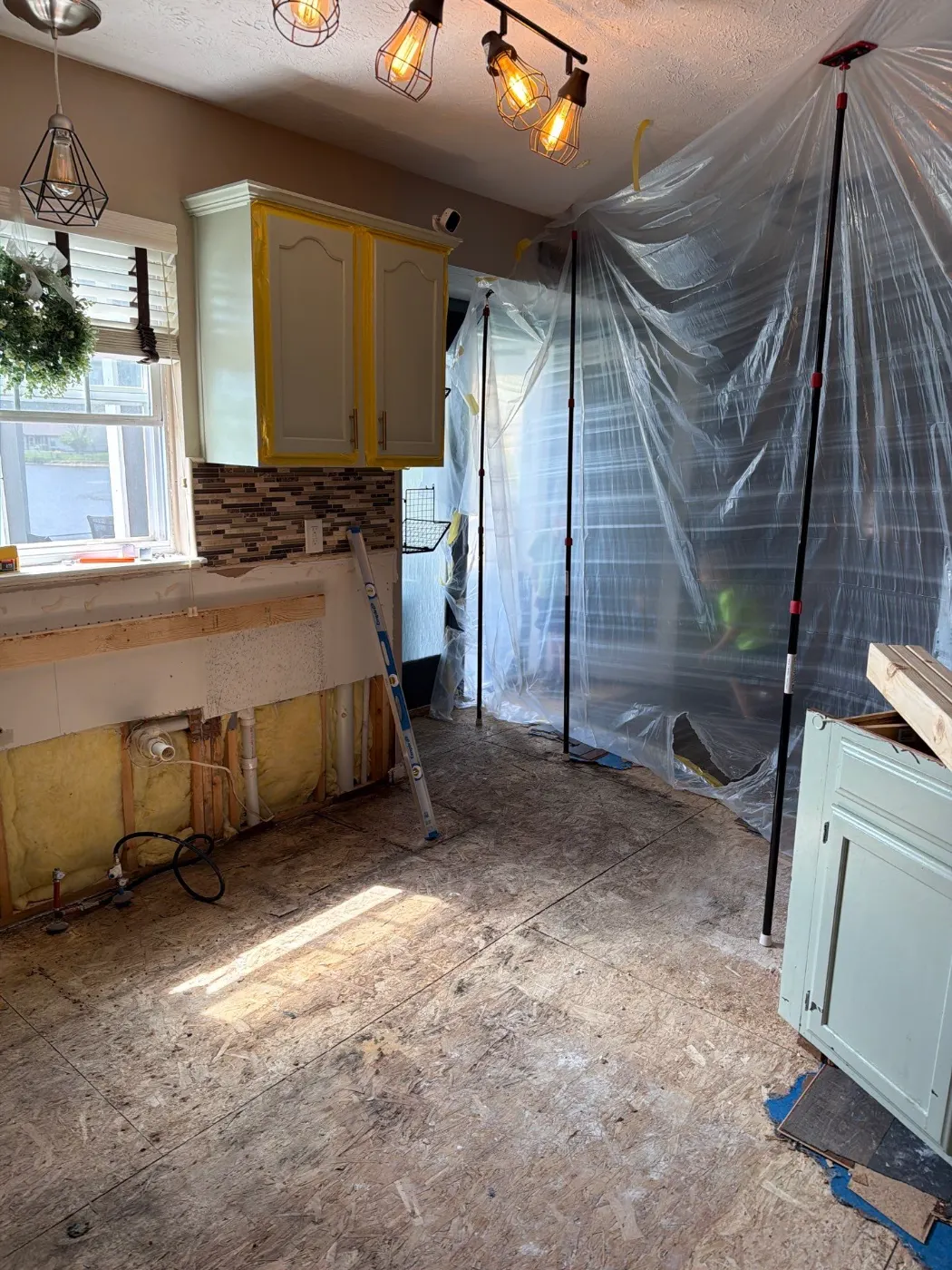
Carpet cushion, wet insulation, baseboard and drywall above the moisture line come out and get bagged for disposal, with an inventory photographed for the claim. The cut height sits where meter readings justify it, usually a foot or two above the staining.
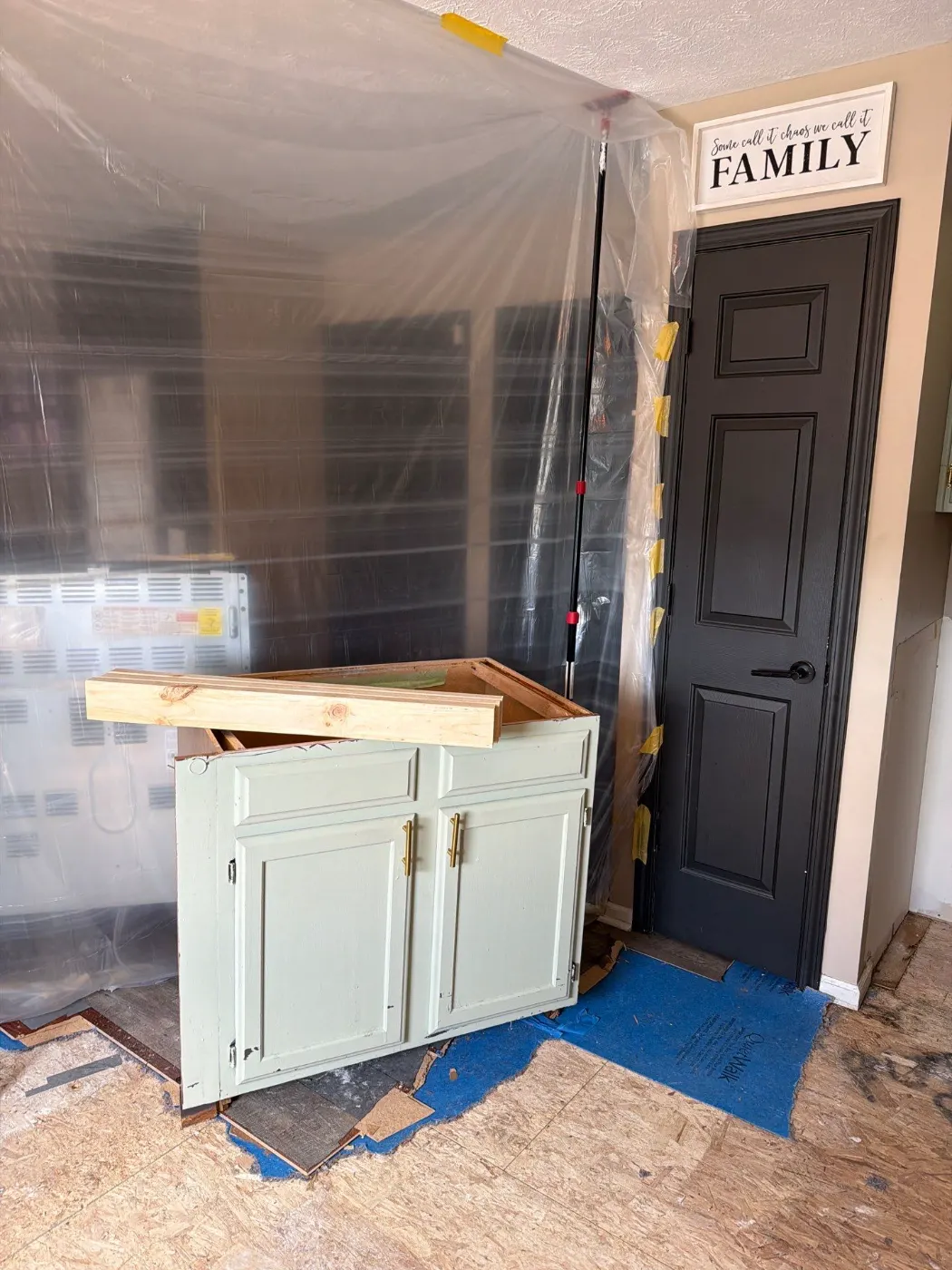
Sewage Cleanup in Centennial
Photographs from real sewage cleanup jobs completed by our crew in Centennial and surrounding areas.
Sewage Cleanup FAQ
Questions Centennial homeowners ask us about sewage cleanup.
Guidance and Standards for Sewage Cleanup
- The ANSI/IICRC S500 is the published standard for professional water damage restoration. The current edition is the Fifth Edition, 2021. IICRC S500 Standard
- The Indiana Department of Insurance advises against permanent repairs before your insurance company inspects the damage. Check your own policy for what it covers. Indiana Department of Insurance: Insurance Claim Tips
Other Restoration Services in Centennial
Centennial Water Restoration handles the full scope of restoration work. Explore our other services below.
Water Damage Restoration in Centennial
24/7 emergency response. IICRC certified water restoration from extraction to full dry out.
Learn more →Basement Flooding in Centennial
Basement water emergencies handled fast. Extraction, drying, mold prevention.
Learn more →Storm Damage in Centennial
Storm related water emergencies. Tarping, extraction, drying, and full restoration.
Learn more →Request Sewage Cleanup
Reach Us Directly
Our team is available 24/7 for emergencies and ready to schedule inspections during business hours.
Need Immediate Help?
For active water or mold emergencies, call us directly. We are available 24/7.