Commercial Water Restoration in Centennial, IN
Commercial water restoration serving Centennial and Hamilton County around the clock, done to the IICRC S500.
Commercial Water Restoration in Centennial, IN starts with one call to Centennial Water Restoration: live 24/7 dispatch, IICRC certified response, and honest written scopes before work begins. Call (765) 703-7292.
- Service: Commercial Water Restoration for Centennial homeowners
- Service area: Centennial, IN and surrounding areas
- Response time: Fast local response for Centennial; live dispatch every hour of the year
- Licensed and insured (License #RC21100059)
- Serving Centennial, IN since 2018
Commercial Water Damage Restoration in Centennial
We handle commercial water damage restoration throughout Centennial, and we'll stay on it from the first walkthrough to the final moisture readings.
Site Conditions
Slow draining clay soil can keep water against foundations and lower levels after a storm. Freeze and thaw cycles each winter can burst pipes in unheated parts of a commercial building. Your building's own drains and roof get checked on the first walkthrough with whoever manages the property.
We cover commercial properties across Centennial, including the area around the Kingman-Millcreek Public Library and US Route 41 corridor through Millcreek Township. We also handle commercial water losses in Attica, Fountain County, Steam Corner and Yeddo.
Commercial Water Restoration for Centennial Businesses
Weekend reservations are still on the book while a leak above the dining room soaks the carpet and the ceiling over the bar. Operators in Centennial need to know which part of the restaurant can open and which part has to stay closed. Centennial Water Restoration answers that question with moisture readings taken room by room and written down for your records.
Crews work commercial losses across central Indiana, and Centennial Water Restoration takes calls 24 hours a day. A crew dispatches to Centennial within 2 hours, and the first visit covers the source, the extraction and a moisture map of the affected floors. The office team opens the file that same day, so the documentation starts when the drying does.
After a sprinkler discharge in your Centennial building, the first call goes to the sprinkler contractor, who closes the control valve and drains the affected branch. Once the line is dead, the crew extracts the standing water and wipes down the grid and the surfaces that picked up rust or scale from the pipe. Drying equipment then goes through the plenum and the rooms below.
In a condominium or association building, the association's master policy often applies to the common areas and an owner's own policy to the unit interior, though the governing documents and the policy wording decide. Centennial Water Restoration breaks the scope out by common area and by unit in Centennial, so the association and each owner see their own portion.
The gap between finding the water and starting mitigation is the part you control, and your carrier will look at it. Centennial Water Restoration answers commercial water calls in Centennial around the clock and dispatches within 2 hours. One call starts the clock on documentation as well as on drying.
Signs You Need Commercial Water Restoration
If you notice any of these in your Centennial building, schedule a free inspection before the issue worsens.
Baseboards swelling at the bottom of a wall in an office suite
Musty smell in a stockroom or storage closet that wasn't there last week
Water running down stairwell treads or collecting on a landing below an upper floor
Water wicking up the bottom of a metal door frame or steel stud track
Ceiling tiles sagging or stained in a grid section that was dry at close of business yesterday
Space humidity climbing on the building management system with no thermostat change
Rust staining at the base of steel studs, shelving uprights or racking posts
Water bills for the property climbing with no change in occupancy or use
Ice building up on a walk in cooler floor where water collected and refroze
Fire sprinkler discharge with water still spreading out across the floor plate
How Centennial Water Restoration Handles Commercial Water Restoration
We follow these steps in order on every Centennial job.
Air Handling Coordination
Units that serve the wet zone get identified with your engineer and HVAC contractor. Affected air handling is isolated or switched off, which keeps moisture from riding the return air to unaffected floors.
Containment and Zone Planning
Affected areas get polyed off and put under negative pressure where the water category calls for it, with corridors and egress kept clear. Zone boundaries get drawn with your management office so unaffected tenants keep working.
Overhead Water and Ceilings
Sagging ceiling panels are punctured over protection so trapped water drains into a controlled spot. Wet tile and insulation come down, and the grid gets checked before the plenum above it gets dried.
Extraction at Scale
Submersible pumps take standing water, truck mounted units pull saturation from commercial carpet and glue down assemblies, and weighted heads work the backing. Crews move in sections on large floor plates so water doesn't get pushed into dry space.
Selective Removal
Material comes out of your Centennial building where the meters and the water category support it, and stays where it can dry in place. Each cut is photographed and logged by location, and the list is reviewed with you in writing.
Commercial Water Restoration in Centennial
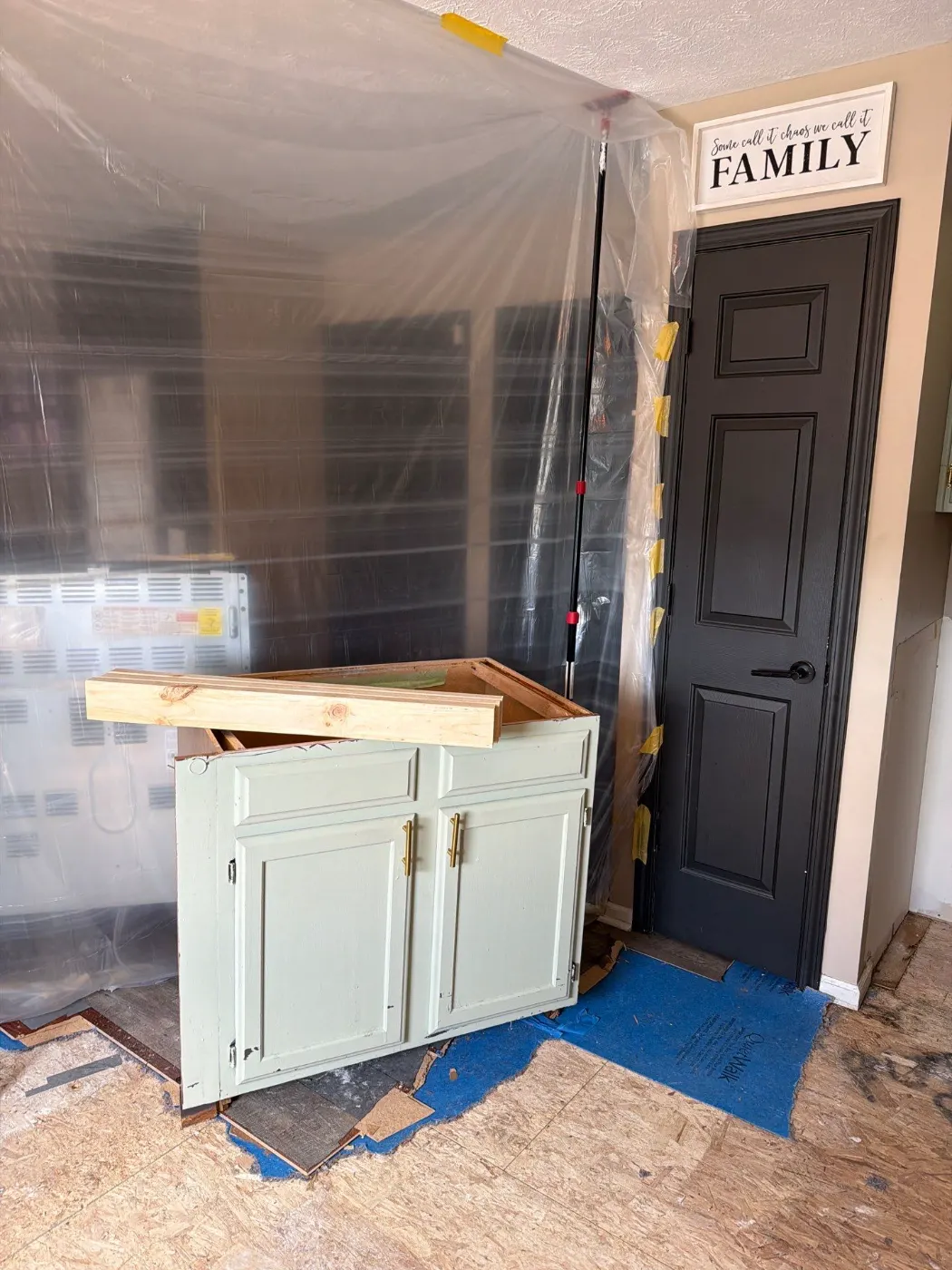
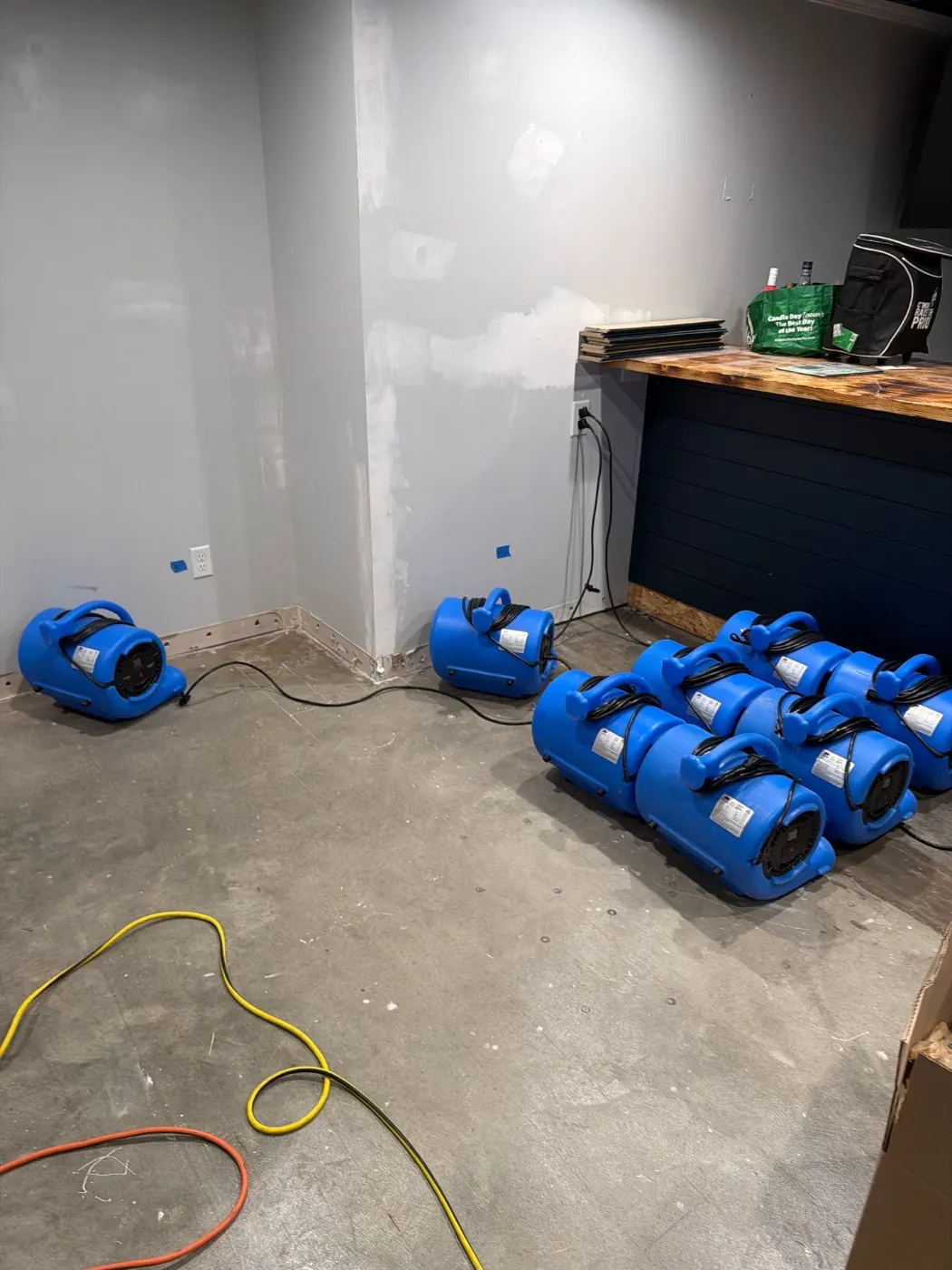
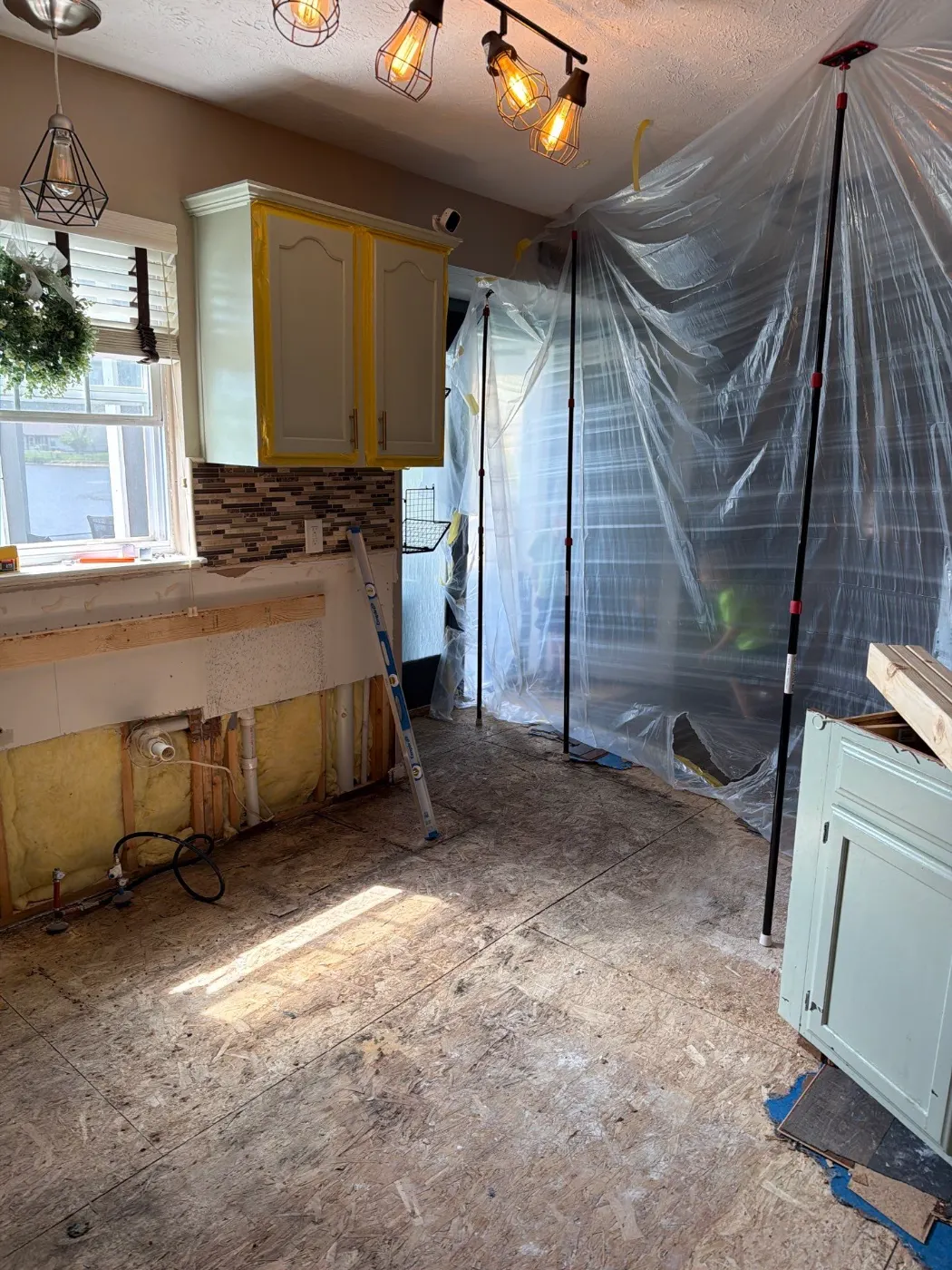
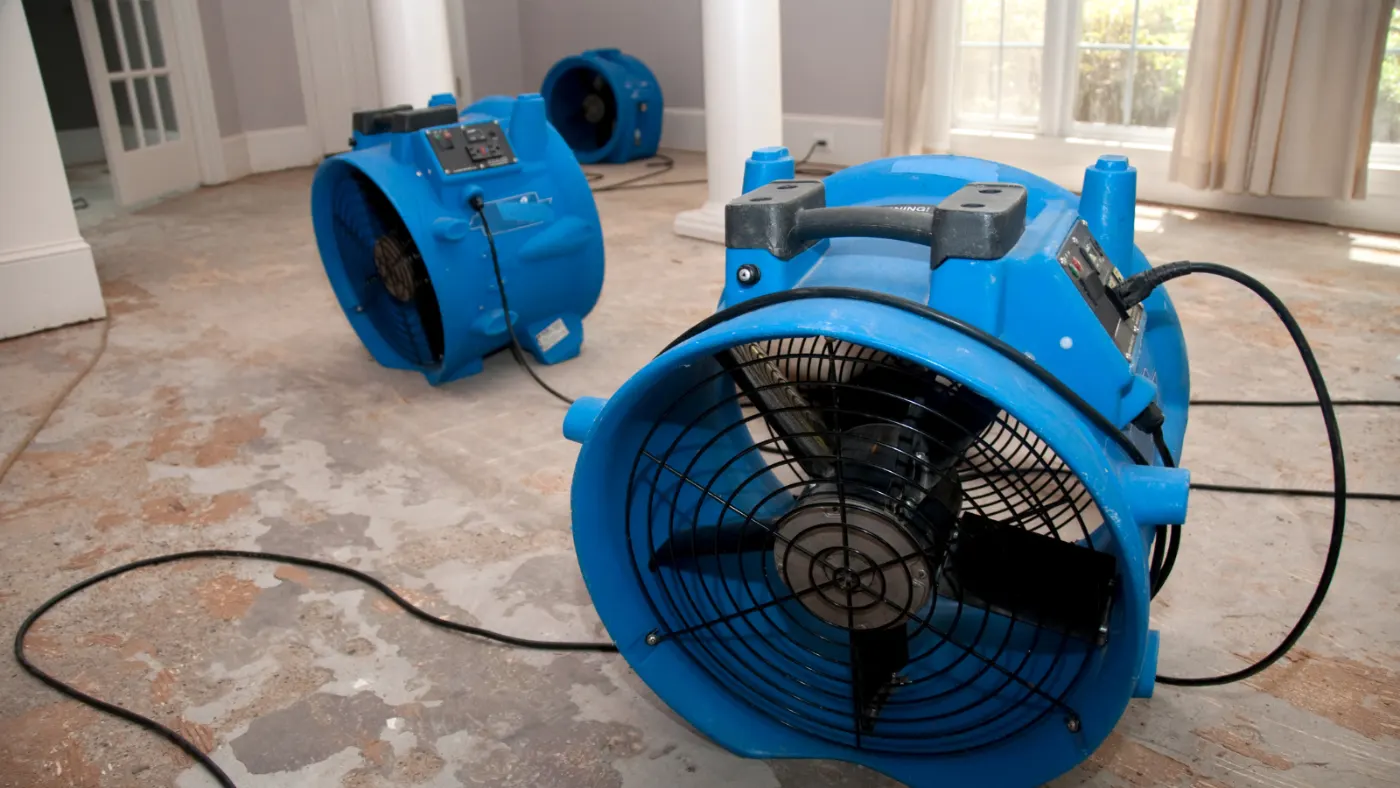
Photographs from real commercial water restoration jobs completed by our crew in Centennial and surrounding areas.
Commercial Water Restoration FAQ
Questions Centennial property managers ask us about commercial water restoration.
Guidance and Standards for Commercial Water Restoration
- The ANSI/IICRC S500 is the published standard for professional water damage restoration. The current edition is the Fifth Edition, 2021. IICRC S500 Standard
- EPA advises drying water damaged areas and items within 24 to 48 hours to prevent mold growth. EPA: A Brief Guide to Mold, Moisture and Your Home
Other Restoration Services in Centennial
Centennial Water Restoration handles the full scope of restoration work. Explore our other services below.
Water Damage Restoration in Centennial
24/7 emergency response. IICRC certified water restoration from extraction to full dry out.
Learn more →Basement Flooding in Centennial
Basement water emergencies handled fast. Extraction, drying, mold prevention.
Learn more →Sewage Cleanup in Centennial
Category 3 biohazard cleanup. Full containment, decontamination, structural restoration.
Learn more →Request Commercial Water Restoration
Reach Us Directly
Our team is available 24/7 for emergencies and ready to schedule inspections during business hours.
Need Immediate Help?
For active water or mold emergencies, call us directly. We are available 24/7.